


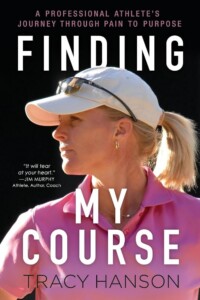
Finding My Course: A Professional Athlete’s Journey through Pain to Purpose
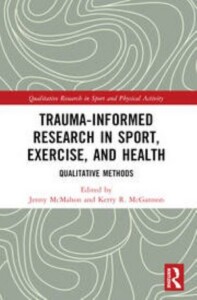
Trauma-Informed Research in Sport, Exercise, and Health: Qualitative Methods
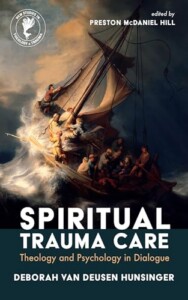
Spiritual Trauma Care: Theology and Psychology in Dialogue
Introduction
After sixteen years of ups and downs on the LPGA Tour, I decided to retire . . . and with the help of a few trusted women, I started down the journey of speaking honest words about the trauma I had experienced on and off the course. . . . As I speak about the truth and feel the pain in my story (including the emotional abandonment of my dad), my heart is becoming more available to God, others, and myself.
Tracy Hanson, LPGA Golfer and sexual abuse survivor[1]
Christian faith addresses the human plight of sin and suffering. In its own way, it has always known about trauma. Indeed, one might say that traumatic loss lies at the very heart of the Christian imagination [consider Gethsemane and Golgotha]. . . . All ministry is God’s ministry, in which we are privileged to participate. Our spiritual care needs to be trauma-informed. (1–2)
Deborah van Deusen Hunsinger, pastoral theologian[2]
We live in an age of trauma, an era in which trauma has been recognized as a diagnosable medical condition, a “global health crisis,” and a leading cause of death and morbidity worldwide.[3] We also live in an age in which sports are arguably the most popular global cultural pastime, surpassing other dominant cultural expressions of the pre-modern age, such as the arts, dance, and music. In a population of over 341 million, 63% of Americans watch sports on a variety of media platforms and over 45 million children and adolescents in the United States participate in sports every week.[4] Sports are a natural obsession and are embedded in all our institutions—school, family, business, religion, the digital landscape, and government. Sports matter.
Reflecting this, during the past two decades theologians (and scholars from other disciplines) have recognised the cultural significance of sports, resulting in a flood of publications[5] and initiatives, such as the Global Congress on Sports and Christianity. The Congress is a triennial meeting that celebrated its fourth iteration in 2025 at Baylor University and had a dedicated sport-trauma panel session, including a presentation by the author of one of the three books reviewed, Tracy Hanson, who is also the founder of the Tracy Hanson Initiative,[6] which provides support to athletes who have experienced abuse and are struggling with trauma.
As Hanson’s biography powerfully narrates, sports are an environment in which athletes (and coaches, support staff, etc.) of all ages and performance levels may experience trauma, and/or carry the burden of their existing trauma into sporting spaces. In short, trauma both “in” and “from” sport. A recent narrative review indicated that 13–15% of elite athletes experience post-traumatic stress disorders (PTSD) and other trauma-related disorders, at a scale that surpasses that recorded for the general population, which is 4–5%[7]; while of course, there are many people who go through their life-course with trauma that is neither acknowledged nor reported. The NFL, NBA, WNBA, and MLB all now have policies and practices that incorporate trauma-informed practice into their mental-healthcare plans and player safety initiatives—while not always explicitly labelled as such. This is encouraging, and yet, presently there are no institutional mandates that stipulate that sports, at any level, must be trauma-informed, though many sports organizations now require coaches to train in various aspects of trauma-informed practice. Both preventing abuse and trauma in sports and acknowledging and addressing that many individuals carry the burden of existing trauma into sporting spaces, is what Lilah Drafts-Johnson has called the next step in safeguarding within youth sports.[8]
Rachael Denhollander’s deeply personal and compelling story of the emotional and physical impact of sexual abuse, enacted upon her (and 250 others) by the former United States gymnastics team doctor, Larry Nassar, is the most widely known story of abuse and trauma in sports.[9] More recently, LPGA golfer Tracy Hanson wrote an equally challenging biography, Finding My Course,[10] which is one of three books that we review in this essay in order to shed light on the relationship between theology, trauma, and sports. Rather than systematically review this biography, we use it to complement our narrative. Aside from biographical sport-trauma narratives, to date, two distinct and presently isolated trauma literatures exist—the theology and psychology of trauma and a social-scientific (secular) understanding of trauma in sports. In the process of reviewing the three books noted above, our aim is twofold: (i) synthesise these disparate literatures, providing a starting point for sport-trauma research and practice from a Christian perspective, and (ii) provide recommendations for athletes, sports coaches, sport psychologists, sports ministry practitioners, qualitative trauma researchers, physical educators, chaplains in sports, and college athletic directors.
To this end, our first task is to review Jenny McMahon and Kerry McGannon’s book, Trauma-Informed Research in Sport, Exercise and Health, providing readers with background social scientific and methodological information regarding the sports-trauma nexus, before deploying a theological and psychological lens to more holistically comprehend the topic by reviewing Deborah Hunsinger’s Spiritual Trauma Care. Prefacing this substantive content, we present some basic information about trauma and trauma in sports for readers who may be unfamiliar with the topic.
Trauma Synopsis: Types, Definitions, and Adverse Childhood Experiences
In short, trauma is “an inescapable stressful event that overwhelms people’s coping mechanisms,”[11] often leading to one or more of the following: feelings of hopelessness and despair, depression, anxiety, the threat of annihilation, flashbacks, nightmares, hyper-arousal-and-avoidance symptoms, intense fear, helplessness, emotional dysregulation, insomnia, perceived loss of control, and physical health problems. If these feelings persist for more than one month, PTSD is the accepted medical diagnosis. As Hunsinger notes, the experience of being “overwhelmed” uniquely characterizes trauma and differentiates it from other extremely stressful situations and mental health diagnoses. To elaborate, Hunsinger cites Peter Levine, who explains that
traumatized people . . . are unable to overcome the anxiety of their experience. They remain overwhelmed by the event, defeated and terrified [for years or even decades after the incident]. Virtually imprisoned by their fear, they are unable to re-engage in life. No matter how frightening an event may seem, not everyone who experiences it will be traumatized.[12]
This means that two people may experience the exact same event (e.g., military veterans or athletes), resulting in one person being traumatized while the other individual suffers no long-standing psychological harm. And so, an event, however horrific, is not trauma, while the individual’s subjective response to it is. Several different forms of trauma exist, and it is worth listing the main types as we start to think about trauma in sporting contexts: acute trauma (a single incident); chronic complex trauma (repeated prolonged events, like bullying and domestic violence); collective trauma (from genocide, war, slavery, mass acts of violence, terrorism, or disasters); intergenerational trauma; racial trauma; vicarious/secondary trauma (experienced from exposure to others’ suffering); complex trauma (exposure to multiple and varied and severe traumatic events, often within interpersonal relationships, for example, refugees and survivors of long-term abuse); and developmental trauma (harmful and abusive experiences encountered during childhood). Exposure to events in the sports domain that may lead to individual and shared trauma for athletes, coaches, or spectators, include:[13]
Physical, emotional, and sexual abuse enacted by significant others, such as coaches, team managers, teammates, support staff, parents, etc. Research shows that emotional abuse in sports is perhaps the most salient form of abuse.[14]
Experiencing or witnessing severe injuries, fatalities (e.g., sudden cardiac death), and/or violence.
Disfiguring musculoskeletal injuries.
Identity issues from experience of career-ending injuries, public failure, retirement, team deselection, etc.
Abusive/toxic team dynamics or leadership, particularly within young or vulnerable populations.
Sport “cultures” that determine that athletes should have low bodyweight and/or a certain body shape or appearance—e.g., gymnastics, swimming, ballet, horse-racing, and boxing—can lead to both physical and psychological trauma through extreme dieting, excessive exercise behaviours, sometimes leading to serious eating disorders, such as anorexia nervosa and bulimia.
Brain trauma from participation in violent sports, such as American football, boxing, mixed-martial arts, and soccer (due to repeated heading of the ball), that may lead to psychological trauma, mental health issues, and cognitive decline (e.g., dementia).[15]
Experiencing racial and/or intergenerational trauma, for example, oppression, discrimination, and abuse directed toward Black athletes and indigenous peoples, such as Native American Indians or Australian aborigines.
Sports-related disasters. I (Nick) have a friend who was deeply traumatised by witnessing the Hillsborough Football Stadium Disaster in 1989 (Sheffield, England), where 97 people died (and 776 were injured) in a crowd crush, during the FA Cup semi-final between Liverpool and Nottingham Forest.
Individuals of any age (including a foetus in the womb), from any familial, cultural, or social background, or comparative level of individual psychological resilience, can experience trauma. That said, some are more vulnerable than others to toxic stress and trauma, for instance, children (especially those in the care system), persons with disabilities, refugees, asylum seekers, and youth in the criminal justice system. Since the 1990s, “adverse childhood experiences” (ACEs) has been the most well-used framework for categorizing and understanding trauma in childhood and adolescence and its deleterious impact on physical and mental health outcomes and social issues.
The significant body of research that has emerged from a seminal study[16] in which 17,000 participants were asked about seven different categories of childhood adversity, eventually led to a government-endorsed public health movement and a trauma-informed understanding of human well-being in the United States, and now globally. Typically, ACEs are categorized into three main groups, while are often inter-linked: (i) abuse—sexual, physical, and emotional; (ii) neglect—physical and emotional; and (iii) household dysfunction—parental separation, substance misuse, domestic violence, parental mental illness, and incarceration.
Exposure to chronic stress from ACEs often leads to what has been termed as “toxic stress,” a state that detrimentally impacts child brain development and overall physical health. While exposure to one ACE may lead to trauma, if four or more ACEs are experienced, the risk of negative outcomes across multiple categories is exponentially increased; for example: poor physical and mental health, reduced educational and employment opportunities, and involvement in negative and/or criminal behaviour. Several of the chapters in the anthology, Trauma-Informed Research in Sport, Exercise and Health, to which we now turn, utilize the ACEs framework to study trauma in a variety of sport situations.
Social-Scientific and Methodological Perspectives on Researching Trauma in Sports
Our review of the literature yielded no publications specifically on a theological and psychological understanding of trauma in sports, aside from an interview with Rachael Denhollander[17] and a book and two articles that touch on trauma-related issues in sports from a Christian perspective (e.g., resilience and identity).[18] There are several publications from the fields of sports psychiatry and clinical sport psychology that explicitly address psychological trauma (PTSD),[19] while none explicitly mention the potential salience of spirituality or religion. This oversight is also true of the text, Trauma-Informed Research in Sport, Exercise and Health. Nonetheless, this book—the first of its kind in the social sciences and sport and exercise sciences—provides an excellent general overview of trauma in sports, and especially the “what,” “why,” and “how” of conducting evidence-based, trauma-informed qualitative research in the domains of sport, exercise, and health. Within contexts such as social work, counselling, and the judicial system, evidence-based, trauma-informed practice is well established, while the editors of this anthology highlight that these practices are only emerging within the sports community generally (as is the case in the church, we would add), and qualitative research theory and practice.
In a quest to address this gap, editors McMahon and McGannon claim that “the book offers evidence-based, trauma-informed research practices, which qualitative researchers can use . . . to prevent causing further harm to participants while maintaining a strength-based approach. . . . It is a valuable resource for anyone working in athlete welfare, sport and exercise psychology, youth sport, sport development, physical activity and health, disability, gender, safeguarding, or social work” (Overview). On the whole, we concur, while recognizing the need for a biblical and theological lens to understand trauma more holistically, as articulated in the subsequent sections of this review. The book is organised into four parts relating to different trauma events: (i) Trauma and Gender-based Violence; (ii) Trauma In and From Sport; (iii) Trauma and Disability, Injury, Chronic, and Life-Threatening Diagnosis; and (iv) Developmental Trauma and Youth Trauma. Given the complex and often overlapping nature of human trauma, the editors and chapter contributors frequently remind readers that trauma origins, and their effects, are virtually always impacted by intersectionality.
The disciplinary and geographic diversity of this book’s contributors makes for an insightful read, which is indicative of trauma studies being typically interdisciplinary and globally relevant, while culturally situated. Trauma is analysed through specific topics and sports in a collection of thirteen generally well-curated chapters. Examples include examination of: various forms of abuse and eating disorders in elite female ballet, swimming, and artistic gymnastics (chapters 2, 3, 7, and 8); the disproportionate levels of trauma experienced by autistic (and non-binary) females in physical education, exercise, and sports settings (chapter 11); two “sport-for-development” interventions for the homeless and socially excluded—the Street Soccer Scotland and Street Soccer USA initiatives which are long-time partners of the Homeless World Cup (chapter 13); researching with young people “in care” within recreational sports and physical activity contexts (chapter 12); trauma and mental health in elite/Olympic athletes (chapter 6), and the transition from able-bodied life-sport to disabled life-sport due to spinal cord injury and limb amputation (chapters 9 and 10). These chapters certainly offer a fascinating, insightful, and at times challenging read.
Of course, in a book focussed on the “what,” “why,” and “how” of conducting evidence-based, trauma-informed qualitative research, methodological reflections comprise the substantive part of each chapter and include the use of diverse methodological approaches, data collection and analysis techniques, and ethical frameworks. Given the aims and embryonic nature of the book, some repetition of ideas and conclusions is understandable. Nevertheless, the second halves of most of the chapters are repetitive with authors rehearsing how they employed the guidance provided via the Substance Abuse and Mental Health Services Administration’s (SAMHSA) concept and guidance of a trauma-informed approach (2014) and practical guidance for implementing a trauma-informed approach (2023). That said, some chapters do discuss important nuances in the application of these widely accepted principles, due to differing participant characteristics, trauma-types, contexts, and the overarching research methodology deployed. For clarity, we will now summarise (from across all chapters) some of the key recommendations regarding conducting evidence-based, trauma-informed qualitative research in sport, exercise and health:
A good general understanding of trauma is essential for interviewers, as recognizing verbal and non-verbal cues surrounding surfacing trauma allows the researcher to “put the brakes on” if necessary, so to lessen the chance of re-traumatization.
To so avoid harm and re-traumatization of participants during data collection and other relational interactions (e.g., ethnographies), researchers need to be cognizant of the basic life-trauma-history of each participant, their potential trauma triggers, and related issues surrounding intersectionality meanings (e.g., gender, disability, politics, race, class, culture, sexuality, and religion).
When designing a research project, draw on the expertise of a person with lived experience of trauma, and/or cultural/contextual insiders, and consider adopting a longitudinal design that allows for trust and vulnerability to develop between researcher and participant(s) over time.
Adopting approaches such as “narrative inquiry” and “narrative interviewing” allows for storytelling, which empowers the participant (through voice and choice), gives them a sense of agency, and is potentially a cathartic/healing experience.
Research should always be designed adopting a “strength-based-approach” where participants are afforded opportunities for “post-traumatic growth,” the development of hope and resilience, greater self-understanding, and even a measure of healing—while healing is not the principal aim, it may occur in non-clinical settings, such as research.
Given that individuals suffering from certain types of abuse (e.g., sexual) and PTSD, as well as those with autism, may find it difficult to talk about their trauma, researchers can use “mind-map” drawings and arts-based ethnographies, for example, using poetry, photography, drama, dance, digital storytelling, theatre performance, painting, craft, and sports, etc. These non-verbal methods can assist in slowly piecing together and expressing the often complex and fragmented trauma histories of individuals.
Ensuring psychological “relational safety” is paramount both in optimizing participant care and the quality and authenticity of the findings. Examples include: allowing participants control and power in the research process, for example, being able to choose the means (e.g., in-person or virtual interview) and physical location of data collection; adopting “active” consent which allows the data collection process to be paused, stopped, or terminated by the participant at any point; addressing gender power differentials (a potential trigger), especially when interviewing or observing participants who have experienced gender-based violence; and using interviewers that are “cultural insiders” (e.g., retired elite swimmers interviewing elite swimmers), which often helps with establishing trust and increasing vulnerability and sharing by the participant and, if appropriate, the researcher.
Researcher self-care is vital due to the risk of vicarious trauma, compassion fatigue, and burnout from listening to often horrific stories of abuse. Examples of self-care methods are peer support, mentoring, and debrief; awareness of one’s own trauma, triggers, and inner world; ensuring data collection and analysis points are appropriately spread out over time; and seeking professional help if needed.
Adopt a posture of “cultural humility” that entails open conversations with participants. Seeking genuine understanding about their context and background is important.
Participation in sport and exercise—if appropriately framed and led—can be a valuable part of the journey of trauma healing, and an antidote to hopelessness, fear, depression, and anxiety for refugees, the homeless, and those with mental health challenges or addictions (see chapter 13). Many sport-for-development projects in the Middle East, Northern Ireland, and in refugee camps across the globe seek to contribute to trauma healing through the vehicle of sport.[20]
In addition to these recommendations, we suggest that training/mentoring in evidence-based, trauma-informed practice should be compulsory for researchers in universities that conduct empirical research into sports, exercise, and health, and embedded in undergraduate and postgraduate research methods courses. In summary, the editors of this volume set out to “address a significant gap in the market by providing a qualitative research resource that outlines the ‘what,’ ‘why,’ and ‘how’ of trauma-informed practices, in turn suggesting ways forward for those interested in conducting trauma research” (9). For the most part, we believe that they have accomplished their goal and we highly recommend this book. Within the Introduction, the editors also observe that there is a significant evidence base demonstrating that trauma “can impact a person developmentally in three ways: neurologically, physiologically, and psychologically” (1). Again, we agree with this sentiment, while noting that trauma can also impact a person spiritually, and to this end, we turn to Hunsinger’s Spiritual Trauma Care, so to more holistically understand the sports-trauma nexus.
Theological and Psychological Perspectives on Trauma
Deborah van Deusen Hunsinger, emerita professor at Princeton Theological Seminary and author of Spiritual Trauma Care: Theology and Psychology in Dialogue, is one of America’s leading pastoral theologians. Her latest book brings the latest trauma theory and empirical findings into conversation with Christian theology. Hunsinger states that the “overriding purpose of the book is to offer theoretical and practical guidance to those who have been called to a ministry of spiritual care for the severely afflicted” in order to “deepen the ministry of the church as it seeks to help people grow through times of trial, loss, and suffering. When the impact of trauma on a person’s or community’s life is understood better, Christian ministers—its pastors, counsellors, spiritual directors, chaplains, youth leaders, pastoral caregivers, and caring friends—will be better able to offer the kind of succour needed” (2). In the world of sports, these Christian ministers are coaches, sport psychologists and sport psychiatrists, sports ministry practitioners, physical educators, sports chaplains, and college athletic directors. If you fulfil one or more of these roles in the sports field, we highly recommend Hunsinger’s book for the way that it provides practical guidance for caregivers (lay and professional) through a faith-based lens and is written in a generally accessible and very hopeful style.
The latest contribution to the New Studies in Theology and Trauma book series (Cascade Books), Hunsinger’s text comprises twelve precisely curated chapters. Chapter titles convey something of the thematic breadth and richness of her offering, for example: Bearing the Unbearable: Trauma, Gospel and Pastoral Care (chapter 2); Pastoral Theology in a Barthian Key (chapter 4); God’s Compassion Is over All: Listening with an Open Heart (chapter 6); Vocation: An Inexpressible Gift and Joyous Task (chapter 9); and Spiritual Trauma Care: Lifelines for a Healing Journey (chapter 12). Both individual tragedies and institutional and systemic trauma—war, ethnic and racial oppression, and slavery, for instance—receive the attention of Hunsinger’s pen. Two core themes that run throughout the book are the author’s repeated insistence on grounding her observations and conclusions in a robust biblical and theological frame, while at the same time asserting the need for interdisciplinarity in understanding and working with those who have been traumatized. While the disciplines of history, philosophy, sociology, neuroscience, and even politics and economics may contribute to our understanding of the complex origins, symptoms, and consequences of trauma,
broadly speaking, two bodies of knowledge—the psychological and the theological—each with their unique conceptualities and purposes, need to be in ongoing conversation with each other because it is the dialogue between them that fosters the kind of understanding needed in order to be of real help. A significant question that therefore arises is: how are these two bodies of knowledge to be related? (2)
Hunsinger dedicates a significant proportion of the book to carefully and skilfully answering this question, and in so doing also builds the case for interdisciplinarity with regard to how we understand and care for those, who in the words of the Psalmists, “cried out to the Lord in trouble” (Psalm 107: 6) in “their suffering and trauma” (Psalm 116:10–11).[21] On this point, there are still significant swathes of the global church (and crucially its leaders) and the broader Christian community—including those in sports—who do not recognize the impact of individual and collective trauma, and therefore, the importance of a trauma-informed approach, both in pastoral care and preaching and teaching in church,[22] or sports contexts. “The bible is enough” or “Jesus is enough” is often the misguided and uninformed refrain of Christians regarding trauma and mental health issues—disconcertingly, this attitude is still quite prevalent amongst some church leaders.
Undeniably, Jesus of Nazareth, the Second Person of the Trinity, is enough—regarding our personal salvation—and immediate deep and complete healing from complex and enduring trauma is possible and does happen. But it is rare—ask anybody who has been involved in pastoral ministry for a period of time. Any follower of Jesus who has walked through their own trauma and journey of healing, will likely attest to the value of a holistic (interdisciplinary) approach that may include the intervention of mental health professionals, the use of medication, and other trauma-therapies, such as Eye Movement Desensitization and Reprocessing (EMDR) therapy, breathing techniques, and psychotherapy (depth psychologies), alongside core spiritual practices, such as bible reading, prayer, fellowship, and worship. The trauma healing journey of LPGA golfer and Christ-follower Tracy Hanson personifies this approach, having had professional counselling, neurofeedback, and breathing training, and having attended a Narrative-Focussed Trauma Care course, alongside doing daily spiritual practices. Through engagement with the substantial evidence base that has accrued over the last four decades (mainly from psychology and psychiatry, and more recently, neuroscience), powerful case studies, and a lifetime of experience in pastoral care and theology, Hunsinger carefully and systematically dismantles the parochial stance that Jesus alone is likely to be enough, which sadly often robs individuals of deeper healing, peace, and fruitfulness in Christ.
Given the limited scope of this review and its intended readership, the remainder of our analysis focuses on Hunsinger’s explanation of how theology and psychology intersect in understanding and treating trauma, and most importantly, how a robust theology should undergird this endeavour. Hunsinger states that
even though both theology and psychology may need to deal with basic issues of love and hate, trust and mistrust, they do so with entirely different contexts of meaning. It would be a mistake to consider them to be somehow interchangeable or to determine that they are essentially the same thing but in a slightly different vocabulary. . . . We will be careful not to disregard their irreducible differences. . . . We will be alert to the wholly different conceptual universe that we inhabit when we dwell in one or other thought world. (35)
For example, the incredible affirmation of Job, “Though he slay me, I will hope in him” (Job 13:15) and Paul’s testimony, “So to keep me from becoming conceited because of the surpassing greatness of the revelations, a thorn was given me in the flesh, a messenger of Satan” (2 Corinthians 12: 7), are completely unintelligible to people for whom the norms and values of secular psychology have priority (also see Job 1:6–12, 2:1–10).[23] In summarising this point, Hunsinger states that secular psychology assumes that
Job could only be masochistic to give voice to such utterance. But Job is affirming faith in the midst of incomprehensible suffering at the hand of an incomprehensible God who is to be loved and feared above all else. No other value has priority, neither health nor family nor honor nor material goods nor even life itself, but only trust and faith in God, even though Job perceives God as his enemy and slayer. (44)
To acknowledge the profundity of Job’s trust in a perfectly good and wise Father God amidst such terrible suffering provides a clear picture “that all the norms and values internal to faith have logical precedence over all externally derived norms and values” (45, emphasis ours) outside of the Holy Scripture; that is, norms and values within secular psychology and other disciplines. In short, faith in God must always be at the very centre of our lives, while we can, and should, discerningly draw on disciplines like psychology (knowledge about the unconscious mind, for example) to maximise the effectiveness of our pastoral care, which then will be biblically based and psychologically informed. Perhaps this is the most noteworthy gift of Hunsinger’s book: her careful untangling of the theology-psychology symbiosis and her repeated insistence that God and his Holy Word should be always front-and-centre in our lives. To be sure, she shares concerns about what has been termed the “triumph of the therapeutic” in the church, while believing that “psychology has much to offer Christians who seek to worship God with all their heart, soul, mind, and strength and to love their neighbour as themselves” (45), including (we would add) those in sporting locales. These insights are the fruit of many years of pastoral counselling, theological study, and personal wrestling.
After pondering on the theology-psychology relationship for many years, “in the midst of such a bewildering and complex set of possibilities,” Hunsinger concludes that those involved in soul care need a robust orientating theological compass (32). The church’s definition of how the divine and human natures of Jesus Christ are conceived and understood that emerged from the Council of Chalcedon in AD 451—a meeting at which the church fathers sought to delineate clear boundaries of orthodox teaching—according to Hunsinger, provides a sound starting point to comprehend the relationship between theology and psychology in the modern world. The excerpt from the Chalcedonian definition she cites is as follows:
Therefore . . . we all with one accord teach people to acknowledge one and the same Son, our Lord Jesus Christ, at once complete in Godhead and complete in manhood, truly God and truly human . . . one and the same Christ, Son, Lord, Only-Begotten, recognized in two natures, without confusion, without change, without division, without separation: the distinction of natures in no way annulled by the union, but rather characteristics of each nature being preserved and coming together to form one person and subsistence, not as parted or separated into two persons, but one and the same Son and Only Begotten, God the Word, Lord Jesus Christ. (32–33)[24]
Hunsinger’s adaptation of the Chalcedonian definition regarding the indissoluble human and divine natures of Christ, into what she calls a “Chalcedonian pattern,” is nuanced (and beyond further analysis here) and offers a “key” to understanding the relationship between theology and psychology in thinking about trauma and pastoral care. Incorporating Barth’s notion of “the indestructible order” into her argument (83),[25] she contends that “when Christian theology is ordered in relationship with psychology, theology is given the place of logical priority [as with the divine nature in the person of Christ]. That is, psychological concepts, while retaining their irreducible distinctiveness and autonomy as psychological concepts, are placed properly with a larger overarching context of Christian theology” (38). In a section within chapter 3 entitled “Psychology’s First Gift to Theology: The Theory of the Unconscious,” while rejecting the nihilism and eclecticism of the Freudian and Jungian corpus, Hunsinger provides a helpful illustration of how Christians can effectively use psychological ideas toward theological-pastoral ends: “A knowledge of how the unconscious mind uses various defense mechanisms to cope with trauma can be a priceless treasure for people who desire to learn the pastoral art of caring for a soul” (50); it also “provides a way for us to become acquainted with ourselves, with our soul in all its richness, mystery, and complexity” (47).
An additional example of how psychological insights can aid in the understanding of pastoral caregivers, surrounds an individual’s sense of identity, and how this relates to their mental image of God. Within the context of sports, athletes, in particular professional athletes, may experience a variety of identity issues, especially when they experience various forms of transition and trauma—career-ending injuries, public failure, athletic retirement, team deselection, and psychological trauma are examples. There is a significant empirical literature on this topic in the disciplines of sport psychology and sport psychiatry, with a handful of these publications deploying a Christian standpoint.[26] Hunsinger tells us that “ the maps of our inner landscape [our sense of identity] that have been so carefully drawn up by psychologists of the unconscious can also give us insight into the way in which we come to imagine God on the basis of our earthly experiences with our parents and other caregivers” (47). For instance, if you were abandoned or rejected in some way as a child, or your father was harsh, demanding, and undemonstrative with love, then you will likely view Father God in this way—your projected God-image that is imprinted deep within the psyche.
Of course, fatherlessness or dysfunctional parental relationships are just examples of how trauma can injure the psyche—our sense of self, our identity—which then leads us to live out of our false self (or some would say our adapted self), as Thomas Merton and Henri Nouwen called it. Perfectionism, shame, unhealthy pride, and fear of failure are just some examples of the identity issues that sport psychologists face within their consultancy work.[27] In Finding My Course, professional golfer Tracy Hanson very honestly comments on the impact of the sexual trauma she experienced at the hands of her golf coach:
After playing tournament golf for over four decades, I’m still learning that the game is not about pursuing perfection, something I have struggled with in many areas of my life. Trying to be perfect was a way to quiet my shame that I wasn’t enough, that I was damaged and broken . . . and [I] still struggle today—between two opinions. My identity is professional golf; my identity is in the Lord as my God. Golf won the battle most days during my playing career. . . . I hustled for connection by overextending myself to people. Co-dependency . . . slinked its way into my psyche, nurtured by my trauma. I lived from the posture that I am never enough. (189, 230, 232)
Ultimately these types of mind-states are rooted in a false sense of self, and often trauma, as was the case for Hanson. Hunsinger counsels that “we all distort God’s identity, for our human imaginings are so meagre and paltry and inadequate. . . . Our images must always be tested in the light of what we learn about God in Jesus Christ. And even when our God representations tell us nothing reliable about God, they always tell us a great deal about ourselves” (48). Uncomfortable, but true for us all.
In summary, Hunsinger’s exceptional book covers so much more ground than what we have highlighted above. For those involved in sports, the following additional themes within Hunsinger’s text may also be helpful for those supporting others in the sports world: the practice of attentive listening; the importance of presence; recognising verbal and non-verbal trauma signs and triggers, enabling a compassionate and effective response; using spiritual disciplines/practices alongside trauma therapy and psychological counseling; self-care, self-empathy and self-love (Matthew 22:39) for care-givers; individual and collective trauma surrounding the COVID-19 pandemic; and her response to a question that she wrestled with for many years, “How can a Christian psychologist function with integrity when working therapeutically with non-Christians?” (7).
Concluding Remarks and Recommendations
One of our goals in this essay was to synthesise three related books on trauma, from three distinct sources—pastoral theology, the social scientific (and secular) study of sports, and biographical material. We hope to have provided a starting point for others to research the sports-theology-trauma relationship and to think about how to support athletes holistically by adopting an evidence-based, trauma-informed approach—as articulated in Trauma-Informed Research in Sport, Exercise and Health—but which, as Hunsinger insists in Spiritual Trauma Care, should be biblically based and psychologically informed.
Trauma-Informed Research in Sport, Exercise and Health provides a wide-ranging introduction to the concept of trauma in the sports domain, specifically focused on undertaking qualitative research—an impressive and arguably seminal book but with the limitation of not addressing spirituality or religion. Spiritual Trauma Care: Theology and Psychology in Dialogue is, we argue, a tour de force in pastoral theology, offering a clear, practical, and theologically rigorous analysis of trauma. Perhaps one limitation of the book is that occasionally, significant themes are introduced but not always unpacked, for instance, the “Dark Night of the Soul,” which the Christian psychiatrist Gerald May has extensively explored in relation to psychological struggles and trauma.[28] Finally, Hanson’s Finding My Course: A Professional Athlete’s Journey through Pain to Purpose, though not a book that we reviewed in the conventional sense of the word, has been invaluable in complementing the theological and social-scientific perspectives on trauma.
We hope the discussion of Hunsinger’s work, especially the theology-psychology nexus, has been helpful for Christian psychologists and psychiatrists working in sports and sport chaplains, while also being informative for sports coaches, sport ministry practitioners, and physical educators. An excellent example of a trauma-informed (and spiritually based) approach to sports coaching and physical education is the evidence-based Play Like a Champion Today (PLACT) child educational program that was founded by Notre Dame professor of psychology and education Clark Power.[29] Over a period of 20 years, working in schools and with sport/coach organizations, PLACT has trained and resourced over 160,000 coaches and physical educators (and thousands of parents) from across the United States and Canada, in a holistic approach to coaching in which moral and spiritual development are front and centre.
The organization has a focus on working with disadvantaged children and offers many resources and several focussed educational programmes: for example, a Physical Education curriculum and a Catholic-based “Sport as Ministry” initiative, all of which are embedded with information as to how to be trauma-sensitive and -responsive. We recommend the PLACT programme and its related educational courses and resources (e.g., coach and administrator education clinics, parent workshops, etc.), as an excellent starting point to gain an understanding of a trauma-informed approach to working with children and young people in sports.[30] Regrettably, Tracy Hanson’s golf coach was the source of her complex and excruciatingly difficult trauma, while her redemptive story is now bringing hope to others.
The vulnerable biography of Hanson (and that of Rachael Denhollander) gives other abuse survivors hope and the permission and courage to share their story and seek healing. Hanson’s story is “testament to the power of naming truth, reckoning with our past, and stepping into a future marked by courage and hope. Hanson’s story is a gift to anyone longing to find meaning in their journey.”[31] I (Nick) was heartened to read toward the end of her biography, that while Hanson still struggles with the complex consequences of the abuse that she experienced decades ago, she is back playing on the senior professional women’s golf tour. Hanson comments that it “wasn’t my peers who had forgotten me—it was me who had forgotten myself. I am a golfer. In all the years that I had played on the LPGA Tour, my presence mattered. A more accurate question I need to face was . . . What do I love, and where do my gifts lie? Sports!” (241, 247). The psychiatrist Gerald May observes that it is often through our loves, our desires, that God works most powerfully for our good and healing—for he planted these in our hearts before we were born, before the creation of the world.[32]
We opened our musings on sport, theology and trauma with the very honest words of professional golfer, Tracy Hanson, and so we think it fitting to close with the very hopeful and realistic words of a professional pastoral theologian and caregiver, Deborah van Deusen Hunsinger:
Healing from trauma is a mystery. We can describe it, but we cannot prescribe it because faith itself is a gift, and it is the work of grace though faith that “sanctifies our deepest distress.” Healing from trauma in the context of Christian faith is more than simple “post-traumatic growth,” as wonderful as that is. The gospel understands this healing as the work of God’s Holy Spirit. Those who turn to God again and again in their need are given God’s miraculous gift of “the fruit of the Spirit” namely, “love, joy, peace, patience, kindness, goodness, gentleness, faithfulness, and self-control” (Galatians 5:22, RSV). May it be so as we learn to trust God and to care for one another in mutual love and compassion. (9)
[1]. “Tracy Hanson’s Story,” Tracy Hanson Initiative, accessed September 26, 2025, https://tracyhanson.com/story/.
[2]. Deborah van Deusen Hunsinger, Spiritual Trauma Care: Theology and Psychology in Dialogue, New Studies in Theology and Trauma (Cascade Books, 2025).
[3]. “Post Traumatic Stress Disorder (PTSD),” World Health Organization, accessed September 6, 2025, https://www.who.int/news-room/fact-sheets/detail/post-traumatic-stress-disorder.
[4]. John B. White, “Do Not be Conformed to the World of Sports: Relearning How we Think About, Feel, and Do Sports as Christians,” Christian Scholar’s Review (blog), April 24, 2023, https://christianscholars.com/do-not-be-conformed-to-the-world-of-sports-relearning-how-we-think-about-feel-and-do-sports-as-christians/.
[5]. For example, see Paul Putz, The Spirit of the Game: American Christianity and Big-Time Sports (Oxford University Press, 2024); Matt Hoven, J. J. Carney, and Max T. Engel, On the 8th Day: A Catholic Theology of Sport (Cascade Books, 2022).
[6]. Tracy Hanson Initiative, accessed September 7, 2025, https://tracyhanson.com/.
[7]. Cindy M. Aron et al., “Post-traumatic Stress Disorder (PTSD) and other Trauma-Related Mental Disorders in Elite Athletes: A Narrative Review,” British Journal of Sports Medicine 53, no. 12 (2019): 779–84.
[8]. Lilah Drafts-Johnson, “The Next Step in Youth Sport Safeguarding? Trauma-Informed Approaches to Sport,” Campaign for Trauma-Informed Policy and Practice, September 3, 2024, https://www.ctipp.org/post/the-next-step-in-youth-sport-safeguarding-trauma-informed-approaches-to-sport.
[9]. Rachael Denhollander, What is a Girl Worth? My Story of Breaking the Silence and Exposing the Truth about Larry Nassar and USA Gymnastics (Tyndale House, 2019).
[10]. Tracy Hanson, Finding My Course: A Professional Athlete’s Journey through Pain to Purpose (Do Good Books, 2025).
[11]. Bessell Van der Kolk, Alexander C. McFarlane, and Lars Weisaeth, eds., Traumatic Stress: The Effects of Overwhelming Experience on the Mind (Guilford Press, 2012), 279.
[12]. Peter Levine, Waking the Tiger: Healing Trauma (North Atlantic, 1997), 28.
[13]. Some of the information in this list is adapted from Carla D. Edwards, “The Psychological Impact of Traumatic Events in Sports,” British Journal of Sports Medicine (blog), April 10 2023, https://blogs.bmj.com/bjsm/2023/04/10/the-psychological-impact-of-traumatic-events-in-sports/.
[14]. Katherine N. Alexander, Kat V. Adams, and Travis E. Dorsch, “Exploring the Impact of Coaches’ Emotional Abuse on Intercollegiate Student-Athletes’ Experiences,” Journal of Aggression, Maltreatment and Trauma 32, no. 9 (2023): 1285–1303.
[15]. Jane L. Mathias et al., “Contribution of Psychological Trauma to Outcomes after Traumatic Brain Injury: Assaults Versus Sporting Injuries,” Journal of Neurotrauma 1, no. 31 (2014): 658–69.
[16]. Vincent J. Felitti et al., “Relationship of Childhood Abuse and Household Dysfunction to Many of the Leading Causes of Death in Adults, The Adverse Childhood Experiences (ACE) Study,” American Journal of Preventative Medicine 14, no. 4 (1998): 245–58.
[17]. Paul Putz, “A Conversation with Rachael Denhollander on Sports, Theology, Justice and Identity,” Faith and Sports (blog), Baylor University, August 10, 2020, https://blogs.baylor.edu/faithsports/2020/08/10/a-conversation-with-rachael-denhollander-on-sports-theology-justice-and-identity/.
[18]. Diane M. Wiese-Bjornstal et al., “Exploring Religiosity and Spirituality in Coping with Sport Injuries,” Journal of Clinical Sport Psychology 4, no. 1 (2020): 68–87; Brian Hemmings, Nick J. Watson, and Andrew Parker, eds., Sport, Psychology and Christianity: Welfare, Performance and Consultancy (Routledge, 2019).
[19]. For example, see Donald R. Marks, Andrew T. Wolanain, and Kendhal M. Shortway, eds., The Routledge Handbook of Clinical Sport Psychology (Routledge, 2021); David A. Baron, Claudia L. Reardon, and Steven H. Baron, eds., Clinical Sport Psychiatry: An International Perspective (John Wiley & Sons, 2013).
[20]. Frida Björkman and Örjan Ekblom, “Physical Exercise as Treatment for PTSD: A Systematic Review and Meta-Analysis,” Military Medicine 187, no. 9–10 (2022): 1103–13; Zoe Dean, “Sport as a Way to Heal Trauma for Child Refugees,” Red Sea Executive Search, August 3, 2021, https://www.redseasearch.com/2021/08/03/sport-as-a-way-to-heal-trauma-for-child-refugees/.
[21]. Psalm 107:6 ESV; Psalm 116:10–11, Passion Translation.
[22]. Sarah Travis, Unspeakable: Preaching and Trauma-Informed Theology, New Studies in Theology and Trauma (Cascade Books, 2021).
[23]. All scripture quotations from the ESV.
[24]. James E. Loder and Jim W. Neidhardt, The Knight’s Move (Helmers and Howard, 1992), 83, cited in Hunsinger, Spiritual Trauma Care.
[25]. Karl Barth, Church Dogmatics, vol. II/1 (T&T Clark, 1956–75).
[26]. For example, see Nick J. Watson, “Identity in Sport: A Psychological and Theological Analysis,” in Theology, Ethics and Transcendence in Sports, eds. Jim Parry, Mark Nesti, and Nick Watson (Routledge, 2011), 107–48.
[27]. Richard D. Winter, “The Pursuit of Excellence and the Perils of Perfectionism: Psychological and Theological Reflections,” in Hemmings, Watson, and Parker, Sport, Psychology and Christianity.
[28]. Gerald G. May, The Dark Night of the Soul: A Psychiatrist Explores the Connection between Darkness and Spiritual Growth (Harper Collins, 2004).
[29]. Clark Power, “Playing Like a Champion Today: Youth Sport and Moral Development,” in Youth Sport and Spirituality: Catholic Perspectives, ed. Patrick Kelly (University of Notre Dame Press, 2015).
[30]. See the Play Like a Champion Today website for a host of trauma-informed resources and information, accessed 29 September, 2025, https://www.playlikeachampion.org/about.
[31]. Tracy Hanson, Finding My Course, from the endorsements page, quote by Chuck DeGroat, professor and executive director in the clinical mental health counselling program at Western Theological Seminary.
[32]. May, Dark Night of the Soul.



















I especially appreciated the way it brings together theology, sport, and trauma in a manner that encourages deeper reflection and meaningful dialogue. The discussion thoughtfully acknowledges the complexities of human experience while offering a compassionate perspective on resilience, faith, and personal growth. The balance of scholarly insight and genuine empathy makes the article both informative and accessible. A beautifully written piece that inspires careful reflection and contributes valuable perspectives to conversations surrounding trauma, spirituality, and holistic well-being.
Thank you for your encouraging words Angie. I especially like that you found the review to be accessible, which was our aim. Thanks Nick