

Last spring, I exchanged emails with a former student I’ll call Anna. It had been a year since Anna had taken my composition course, and I had just sent her the “Future You” letter she had written to herself as an end-of-the-course assignment. Reading back over her letter had given Anna perspective on herself and the class: “Anna a year ago definitely brought wisdom into the next two semesters,” she wrote. She had taken my course during what she called the hardest year of her life. Now, two semesters later, she testified that she enjoyed her talks with current freshmen about their experience in the same class she had struggled in, and even mentioned hoping to take Children’s Literature with me.
When I had looked through my anonymous course evaluations from Anna’s section the previous May, I felt the usual twinge of professorial doubt: did anything we did this semester stick? A year later, I had my answer, and it was one that standard evaluations couldn’t have given me.
In a decade-old blog post, Alan Jacobs argued for a new approach to course evaluations that I’ve never forgotten. Course evaluations are typically solicited at the end of the semester when students are exhausted and more inclined to vent their feelings than offer measured assessment. His proposal: run the evaluations a semester, or even a year, later. And when people object that students won’t remember anything from the class, Jacobs responds, “That would be something worth knowing.”
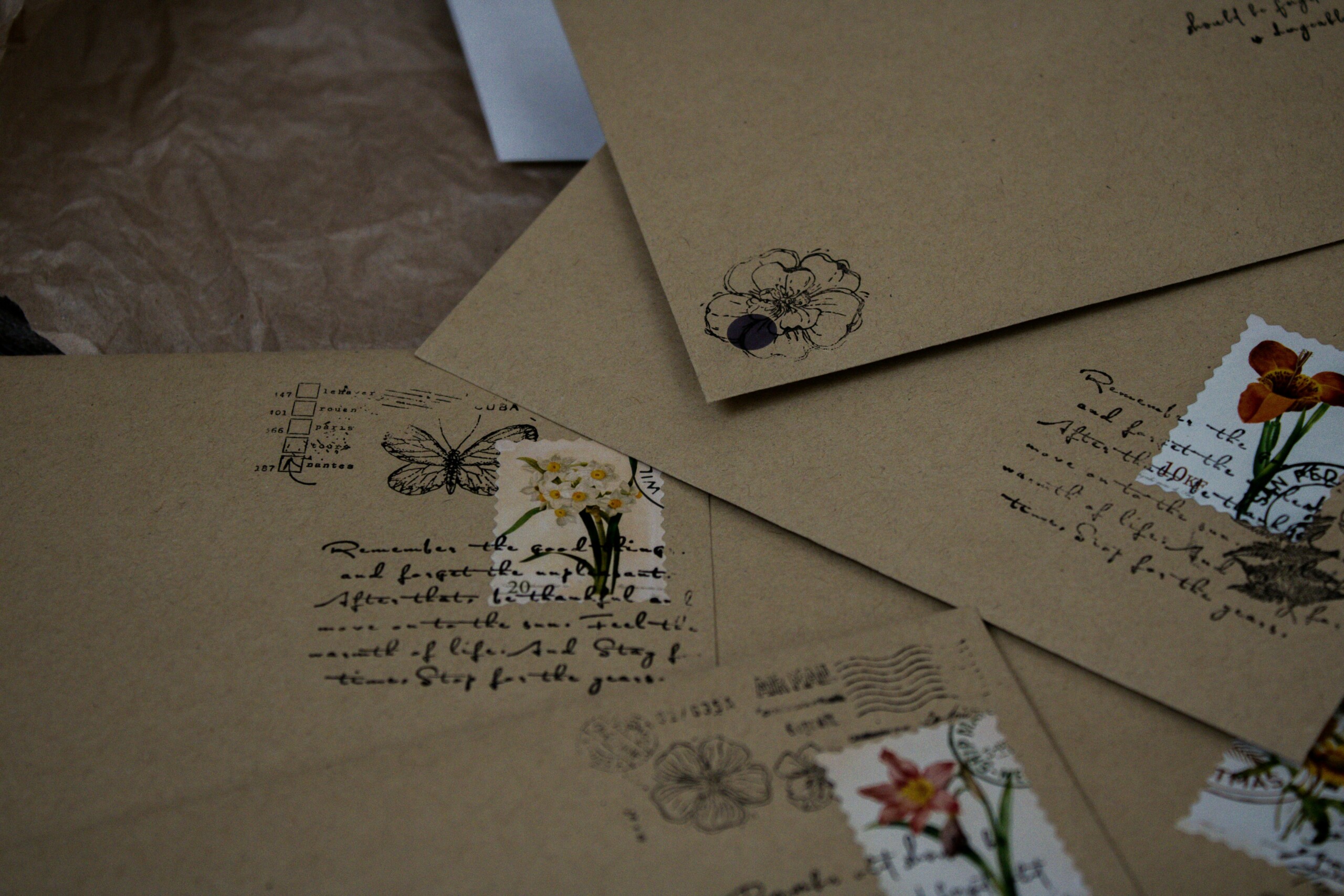
My university won’t be adopting Jacobs’s proposal anytime soon, but I have built a small opportunity for this kind of year-later assessment into my composition course through the “Future You” letter. Since most of my teaching responsibilities happen in General Education writing classes, I tend to see students as freshmen and then rarely teach them again. I wondered how I could provide a twist on the typical reflection assignment I give in my other courses, and so I came up with a simple prompt: write a letter to yourself dated a year from now about the good and bad of the last year and what you are working toward in the coming one. I collect the letters and return them twelve months later.
I didn’t design this exercise as an informal course evaluation. I pictured it instead as an act of practical imagination after a semester of entering the fictional worlds of Interpreter of Maladies, Our Town, Macbeth, Frankenstein, or The Road. The year students forecast for themselves does not yet exist. None of the students who wrote to me in the spring of 2019, for instance, had any idea what the spring of 2020 would bring; the letters they wrote were aimed at a year that turned out to be unrecognizable (Had I told them about COVID, they might have thought I was nabbing a plot from a novel). And yet the discipline of writing toward an unknown future required faith, and as such, it provided a final invitation to spiritual formation.
For many of my students, the end of the semester is so hectic that they blindly persist in their end-of-course duties (including course evaluations!) without taking time to put down what they’ve achieved or endured. If they take the letters seriously, they receive something I could not have given them during the semester itself. But the replies I’ve received when I’ve returned the letters have taught me that the letters’ real benefit is that they extend the time horizon of the course past its institutional expiration date. They give me—and, more importantly, my students—a glimpse of what formation looks like when you give it fifty-two weeks instead of just sixteen.
Here are a few things I’ve learned by having that time horizon extended. First, while some of these letters are indistinguishable from a locker-room pep talk or self-help affirmation (e.g., “You’ve got this.” “Keep grinding.” “Don’t give up on your dreams.”), the best letters are concrete and resonate with the writer, whether or not the predictions the letter includes end up coming true. Some students expect to be thriving in nursing school twelve months later, and twelve months later, they are. Other writers are in a state of transition (on occasion from the university itself), and that leaves their descriptions of the next year tentative at best. In both cases, the letter works because it offers something concrete enough to be either confirmed or corrected. While cheap hope speaks in abstractions, costly hope banks on particulars.
Second, nearly every student who replies to the returned letter includes a prayer request: for upcoming final exams, a father who just had a-fib surgery, late acceptance into physical therapy school, a family’s larger health issues, or just guidance about where to move next. The institutional relationship between professor and student gives way to something older and sturdier. Instead of asking me about a grade, the student is asking me to intercede. This past year, two students independently used the same phrase in their replies: “impeccable timing.” Neither of them remembered the letter before it arrived, but both happened to receive it on a morning when they needed to read exactly what their year-ago selves had written.
I can’t manufacture those moments. All I can do is send the letter on time and trust that the Lord will arrange for it to arrive when it’s needed.
This, I think, is the faith-integration heart of the practice, and it makes overt something implicit in Jacobs’s proposal. Delayed evaluation is wise pedagogy; it treats students as whole persons whose learning takes longer than the sixteen weeks of organized class time. Delayed correspondence is a small refusal of the premature goodbye that the academic calendar enforces. It is a way of saying to Anna, a year after I last graded one of her papers, that her formation did not end last May and that I care about how she’s doing even though she’s no longer technically my student.
The Future-You letter isn’t a scalable practice, and what I’ve recorded here doesn’t need to be part of the university’s official assessment data. Hard semesters can produce more formation than students initially realize, but it takes time for that formation to become visible to both the student and me. In acting as a glorified messenger between a student and her year-ago self, I have been allowed to witness God’s faithfulness. That really is something worth knowing.





















That is a very good idea. Thank you for sharing. Yes, teaching is a life sharing experience that enable the learner and the facilitator (Lecturer) grow and be the people God intended. For that to happen, there is need for creative imagination. You give yourself extra work of posting the letter a year later, and that is what makes teaching a real Cristian work. May others learn and use their creative imagination in helping those they teach become disciples of Jesus Christ.
A “Future Self” letter impacted me tremendously. Thanks for this creative idea. I love the distinctions around having a prayer to be revisited, along with having a letter that offers something concrete enough to be either confirmed or corrected.