

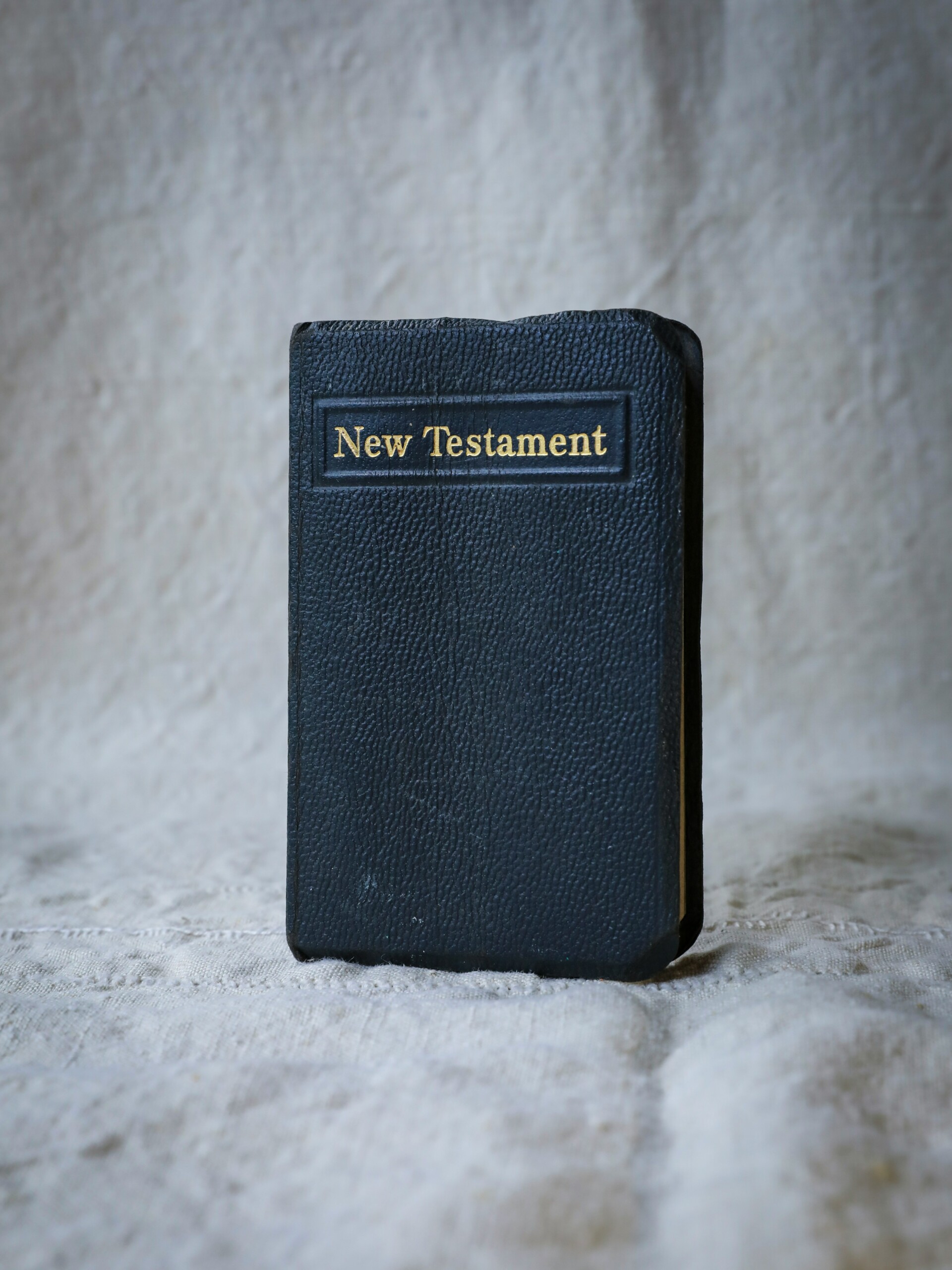
The First Nations Version presents the Scriptures through the perspective of Native North American storytellers who view Jesus and biblical truth through their own rich cultural lens and language. “Our priority,” state the editors, “has been to maintain the accuracy of the translation and its faithfulness to the intended meaning of the biblical writers within a First Nations context.” The following asks us to consider what it means to dress for spiritual battle not from a Roman solider context, but a First Nation warrior; or to see the New Jerusalem not as a Middle Eastern city, but a Sacred Village coming down from the Great Spirit. Such perspective-taking makes the Christian mosaic of ethnicities come alive in fresh ways.
“Wrap the sash of truth around your waist. Cover your heart with the breastplate of making wrongs right again. Put on your feet the moccasins of Creator’s peace treaty, so you will always be ready to tell the good story as you walk the road of life. Then you must raise high the shield of trusting in the Creator. This shield will put out the flaming arrows of the evil one. Do not forget to put on the headdress of Creator’s power to rescue and set free, and use the long knife of the Spirit—which is the word of Creator coming from your mouth” (Ephesians. 6:14–17).
“Then I saw a new spirit-world above and a new earth below, for the first spirit-world and the first earth had gone away, and the great waters of the sea were no longer there. I saw a new Sacred Village of Peace (Jerusalem), coming down from the Great Spirit in the world above and dressed in wedding regalia, like a bride made ready for her husband. I heard a loud voice coming from the seat of honor. ‘Behold,’ the voice said, ‘the Great Spirit has pitched his sacred tent among human beings. They will be his people, and Creator himself will make his home among them and will be their Great Spirit. He will perform a wiping of tears ceremony, for death will be no more. There will be no sorrow, or weeping, or pain, because these former things have faded away’” (Revelation 21:1–4).


















One Comment